%2Ffit-in%2F250x250%2Fguide_websites%2F132143%2Fimages%2F1776901961081logo.png&w=1920&q=100)
Rainbow Runner Caught in Morehead City NC
Rainbow Runner Fishing in Morehead City - What to Expect
%2F%2Fusers%2F7519da28-583c-4307-b43c-81230db8773f%2Fimages%2Frainbow-runner-morehead-city-fishing-2724.jpg&w=1920&q=75)
Fishing Charter by Captain Adam Price in April
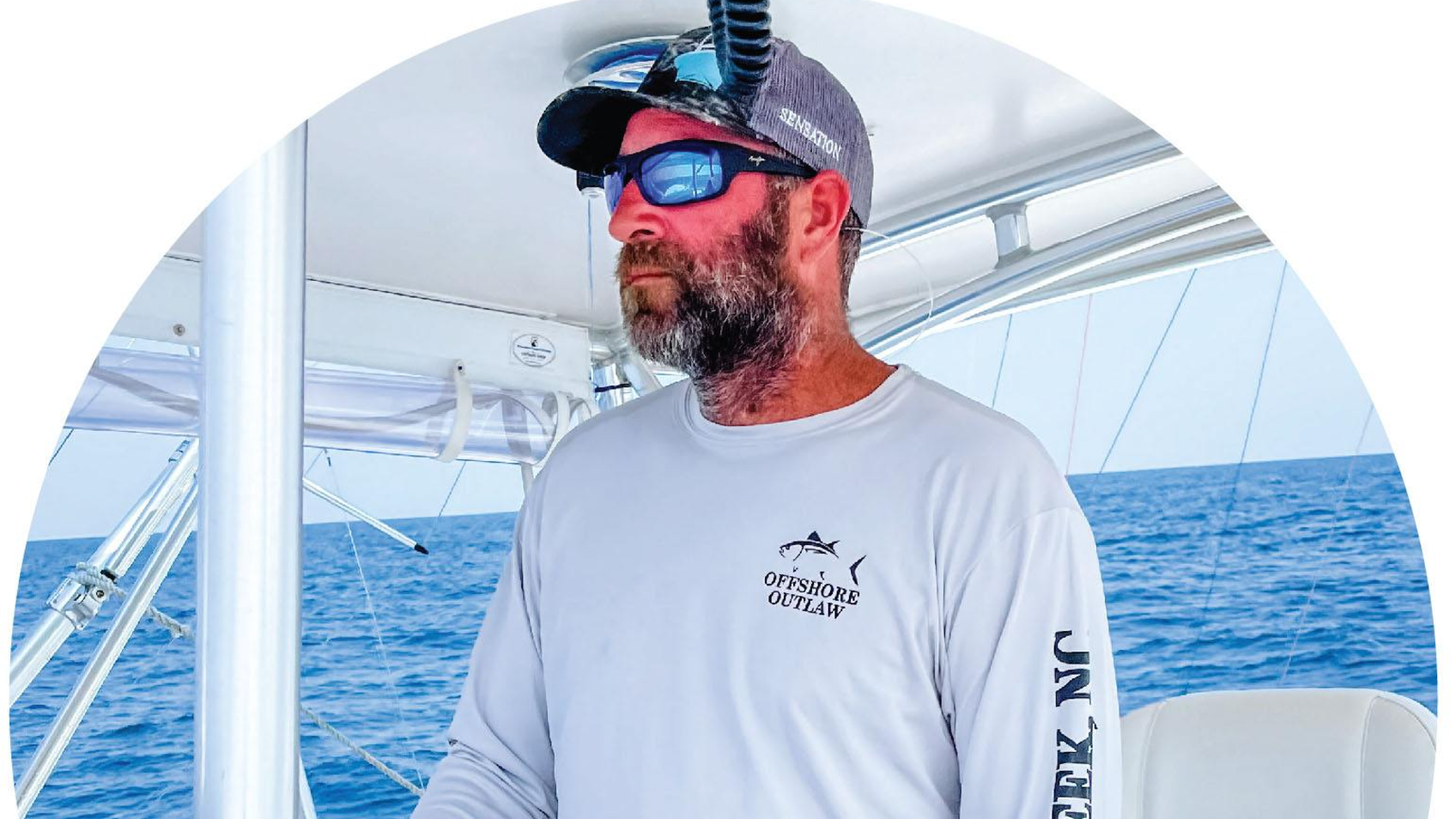
Meet your Captain Adam Price
- Morehead City NC Fishing Charters


Summary
Captain Adam Price of Third Day Charters delivered explosive action on Wednesday, April 22 with a stellar rainbow runner catch in Morehead City. This fishing charter showcases the high-octane offshore opportunities waiting off the North Carolina coast.
Fishing Charter with Captain Adam Price - Rates & Booking
Captain Adam Price of Third Day Charters pulled off an incredible outing on Wednesday, April 22 in Morehead City, landing a vibrant rainbow runner that exemplifies the explosive action this destination delivers. Rainbow runners are premium offshore targets that demand skill, timing, and access to proven fishing grounds - exactly what Captain Price brings to every charter.
Third Day Charters operates out of Morehead City, one of North Carolina's premier fishing ports with direct access to productive offshore waters. The fishing charter experience with Captain Adam Price puts you in position to tangle with strong-fighting species like rainbow runners that test your skills and create unforgettable memories. To reserve your spot and discuss trip details, booking online through Third Day Charters ensures you secure your preferred date.
Highlights of Your Morehead City Fishing Adventure
Rainbow runners represent the heart-pounding action offshore anglers live for. These aggressive fighters strike hard, run fast, and provide non-stop battle from hookup to boatside. The catch shown here displays the brilliant coloration these fish display - a perfect specimen that validates the quality of fishing Third Day Charters delivers.
Morehead City sits perfectly positioned for accessing multiple offshore habitats where rainbow runners thrive. The combination of proven captain expertise, targeted fishing strategy, and access to these premier grounds creates the recipe for success that Captain Price executes consistently.
Local Species Insights: Rainbow Runner
Rainbow runners are built for speed and aggression. These pelagic fish roam offshore waters hunting baitfish with explosive strikes that produce instant adrenaline rushes. They're known for their powerful runs and acrobatic head-shaking battles that keep anglers engaged throughout the fight.
Off Morehead City, rainbow runners inhabit deeper offshore zones, reef structures, and areas with strong current flows. They respond to live bait presentations, fast-moving lures, and sight casting opportunities. The fish caught here demonstrates the size and vitality of the population Captain Price accesses on Third Day Charters fishing expeditions.
What makes rainbow runner fishing special is the combination of challenge and reward. These fish don't give up easily - they test your rod, your reel, and your determination. Successfully landing one requires focus, proper technique, and a guide who understands their behavior and habitat preferences. Captain Adam Price's experience in Morehead City waters translates directly into more opportunities and higher success rates.
The offshore environment around Morehead City creates ideal conditions for rainbow runner populations. Seasonal patterns, water temperature, and baitfish availability drive their presence and aggression levels. Fishing during peak periods with a knowledgeable captain maximizes your chances of explosive encounters with these dynamic predators.
Fishing in Morehead City: Rainbow Runner
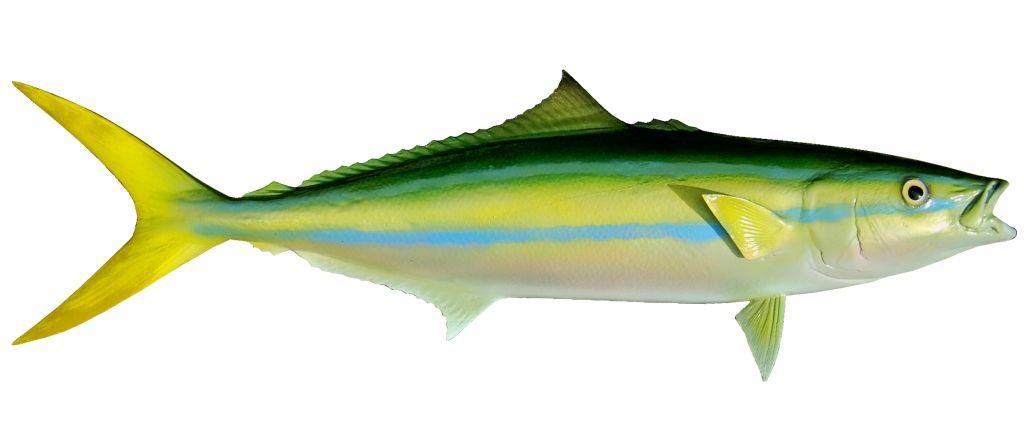
Rainbow Runner Overview
The Rainbow Runner (Elagatis bipinnulata) is a stunning member of the Carangidae family within the order Perciformes, renowned among anglers and marine enthusiasts for its spectacular seven-color display and spirited fighting ability. This torpedo-shaped jack is a popular game fish that combines visual beauty with athletic performance, making it a sought-after catch in offshore and coastal waters worldwide. What makes the Rainbow Runner truly special is its curious nature—these fish are known to circle around divers before swimming off with characteristic short attention spans, adding an element of interactive excitement to any fishing or diving encounter.
Rainbow Runners hold a unique place in the fishing community, particularly around hotspots near Mexico and Bermuda, where they're frequently caught while anglers pursue larger game fish like Tuna and Marlin. Their iridescent coloring—olive green on the back, white belly, bright yellow stripes, and that distinctive blue lateral line—creates a living rainbow effect when light strikes their bodies, earning them their evocative common name.
Rainbow Runner Habitat and Distribution
These fast swimmers favor offshore and coastal water environments, with larger specimens typically found near Mexico in the Western Atlantic. The geographic range extends toward Bermuda and northeastern Brazil, where tropical and subtropical waters provide ideal conditions for this species. Rainbow Runners are particularly abundant near rock formations and reef systems, environments that offer abundant prey and shelter opportunities.
During spawning season, most juvenile Rainbow Runners remain near the water's surface, while adults often lurk within deeper water columns. They're also known to inhabit lagoons, making them accessible to shore-based anglers in certain regions. The species shows a preference for areas with active predator-prey dynamics, as larger specimens often hunt solo in deeper waters, making them more challenging to locate and catch consistently.
Rainbow Runner Size and Weight
On average, Rainbow Runners grow to impressive lengths of 42 to 47 inches—nearly reaching 4 feet in length—with typical weights ranging from 15 to 20 pounds. However, the species is capable of reaching exceptional sizes, as evidenced by the recorded maximum of 71 inches with a weight of 37 pounds 9 ounces. This size variance is important for anglers to understand, as larger Rainbow Runners (typically those exceeding 50 inches) tend to hunt solitary, making them less frequently encountered than their smaller, schooling counterparts.
Rainbow Runner Diet and Behavior
The Rainbow Runner is an aggressive piscivore with refined hunting instincts, selecting smaller fish as primary prey. Their speed and agility allow them to catch quick-moving targets with ease, contributing to their reputation as formidable predators. Beyond fish, these jacks eagerly consume crustaceans including shrimp and crab, as well as cephalopods such as squid and octopus. Notably, Rainbow Runners are selective hunters—they'll only pursue prey smaller than themselves, demonstrating intelligent foraging behavior.
Behaviorally, Rainbow Runners are curious and bold, often approaching divers and unfamiliar objects with interest before losing focus and moving on. Larger specimens tend toward solitary hunting patterns, while younger or medium-sized individuals may school together. They're most active during early morning and late afternoon hours when they venture into open water to feed, though they're frequently preyed upon by sharks in these exposed areas.
Rainbow Runner Spawning and Seasonal Activity
Rainbow Runners exhibit peak spawning activity near the surface, particularly in warm tropical and subtropical waters. The species shows seasonal movement patterns, with migration toward reef systems and rocky structures during reproductive periods. Early morning and late afternoon represent prime feeding windows, when Rainbow Runners are most likely to venture from shelter to hunt actively.
The best fishing or observation opportunities occur during these transitional periods between day and night, when water conditions stabilize and light penetration allows the species' magnificent coloration to become most visible. Seasonal variations in water temperature and baitfish availability influence their distribution patterns throughout their range.
Rainbow Runner Techniques for Observation or Capture
Cut Bait Method: Experienced anglers recommend using cut bait crafted from squid, octopus, or crustaceans—prey items that naturally resemble the Rainbow Runner's typical food sources. This approach capitalizes on the species' predatory instincts and proven dietary preferences. Cast near reef systems and rocky outcrops where Rainbow Runners congregate, and allow the scent to disperse through the water column to attract feeding fish.
Live Bait Presentation: Live bait presentations take advantage of the Rainbow Runner's curious personality and hunting drive. Small live fish or shrimp displayed naturally in the water entice investigative approaches, particularly from mid-sized specimens. This technique works exceptionally well in coastal lagoons and near-shore environments where visibility allows the fish to locate and assess potential prey.
Surface Popping Lures: Surface popping lures that skip and dance across the water mimic baitfish behavior, triggering aggressive strikes from piscivorous Rainbow Runners. These lures are particularly effective during early morning sessions or late afternoon fishing windows. Around popular fishing destinations like Mexico and coastal areas near Bermuda, surface popping proves reliable for consistent contact with this species.
Equipment and Timing Tips: Use heavy tackle to tire out the Rainbow Runner before fatigue overtakes you—these fish are powerful fighters despite their medium size. Fish early morning or late afternoon when they're most active in open water. Be prepared for competition from sharks and other large predators that also hunt these waters, and always scan for feeding activity or bird presence indicating baitfish concentration.
Rainbow Runner Culinary and Utilization Notes
Rainbow Runners offer good food quality and are enjoyed in multiple culinary preparations. Fresh Rainbow Runner can be prepared as sashimi, showcasing delicate, flavorful flesh that appeals to seafood enthusiasts. Many cultures also prepare the species salted and dried, creating preserved protein suitable for extended storage and traditional consumption methods.
While not a commercially significant species in most markets, Rainbow Runners are frequently retained by recreational anglers for personal consumption. The meat is white and moderately firm, making it versatile for grilling, frying, or raw preparations. Additionally, the species serves an important role in larger game-fish pursuits, as Rainbow Runners themselves are used as bait for premium species including Black Marlin, Striped Marlin, Blue Marlin, White Marlin, and Yellowfin Tuna.
Rainbow Runner Frequently Asked Questions
Q: What is the best bait for catching Rainbow Runner?
A: Cut bait made from squid, octopus, or crustaceans like shrimp and crab works exceptionally well, as these match the Rainbow Runner's natural diet. Live bait presentations also work when you want to exploit their curious feeding behavior. For lure fishing, surface popping lures that mimic baitfish are highly effective.
Q: Where can I find Rainbow Runner near popular fishing destinations?
A: Larger Rainbow Runners are most commonly found near Mexico in the Western Atlantic, with significant populations around Bermuda and northeastern Brazil. Look for reef systems, rock formations, and lagoons where the species congregates. Coastal waters with active predator-prey dynamics are prime locations for consistent encounters.
Q: Is Rainbow Runner good to eat?
A: Yes, Rainbow Runner offers good food quality and versatility. Fresh specimens can be prepared as sashimi, grilled, fried, or salted and dried. The white, moderately firm flesh appeals to many palates, making it an excellent dinner option for recreational anglers who retain their catch.
Q: When is the best time to catch Rainbow Runner?
A: Early morning and late afternoon are prime feeding windows when Rainbow Runners venture into open water to hunt. These transitional times between day and night also provide optimal lighting for spotting the species' vibrant seven-color display in reef and coastal environments.
Q: How big do Rainbow Runners typically grow?
A: Average Rainbow Runners reach 42 to 47 inches in length and weigh 15 to 20 pounds. However, the species can achieve exceptional sizes—the record stands at 71 inches and 37 pounds 9 ounces. Larger specimens tend to hunt solo, making them less frequently encountered than schooling younger fish.
Q: Why are Rainbow Runners used as bait for other fish?
A: Rainbow Runners are regularly used as bait for premium game fish species including all four Marlin varieties (Black, Striped, Blue, and White) and Yellowfin Tuna. Their size, durability, and natural appeal make them excellent offerings for trophy hunters pursuing larger catches in offshore environments.